

When buying a smartphone, most people focus on performance, camera quality, and battery life. But there’s another factor that can make or break your experience — software updates. These updates not only bring new features but also improve security and stability over time.
Xiaomi has already built a reputation for providing stable updates, but now the company is taking things a step further. Since last year, it has expanded its update policy to cover not just flagship devices but also some mid‑range models. And now, Xiaomi has officially revealed the list of devices that will get four generations of Android updates.

Which Models Are Included?
Under this new policy, a device will receive Android updates from its launch version up to four versions ahead. For example, if a phone launches with Android 15, it will be eligible for updates all the way to Android 19.
Here’s the official list:
Xiaomi Series
- Xiaomi 15 and 15 Ultra
- Xiaomi 14 / 14 Pro / 14 Ultra
- Xiaomi 14T / 14T Pro
- Xiaomi Mix Flip
Tablets
- Xiaomi Pad 7 and Pad 7 Pro
Poco Series
- Poco F7 / F7 Pro / F7 Ultra
Redmi Series
- Redmi Note 14 4G
One surprising inclusion is the Redmi Note 14 4G, a budget phone priced under $200. However, the Redmi Note 14 Pro and Note 14 Pro+ are not part of this list.
How Xiaomi Compares to Rivals
With this move, Xiaomi now matches brands like OnePlus, Vivo, and Oppo in terms of update support. However, some competitors still go further:
- Motorola: Up to 5 updates
- Realme: Up to 6 updates
- Samsung & Google: Up to 7 updates
While there’s still room for improvement, extending long‑term support to affordable models like Poco and Redmi is a big win for budget‑conscious buyers.
HyperOS 3 is Coming
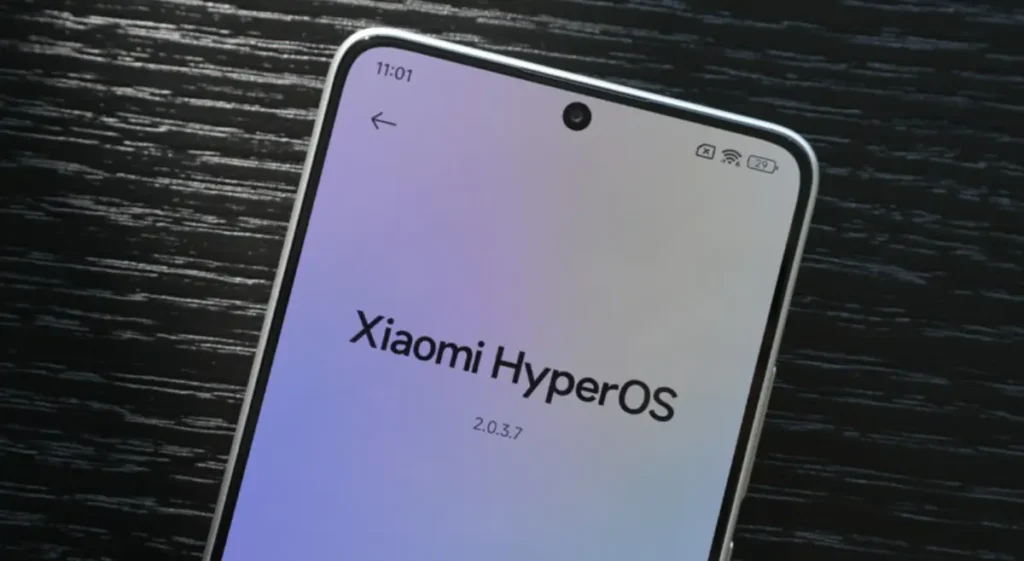
Alongside this announcement, Xiaomi is working on HyperOS 3, its latest custom interface. All devices on the update list will support HyperOS 3, and some have already entered beta testing. The official rollout is expected soon, bringing new features and performance improvements.
“This is a smart move by Xiaomi. Long‑term updates give buyers more confidence, especially in the budget segment. It also helps devices stay relevant for years, which is great for resale value and user satisfaction.”