


Highlights
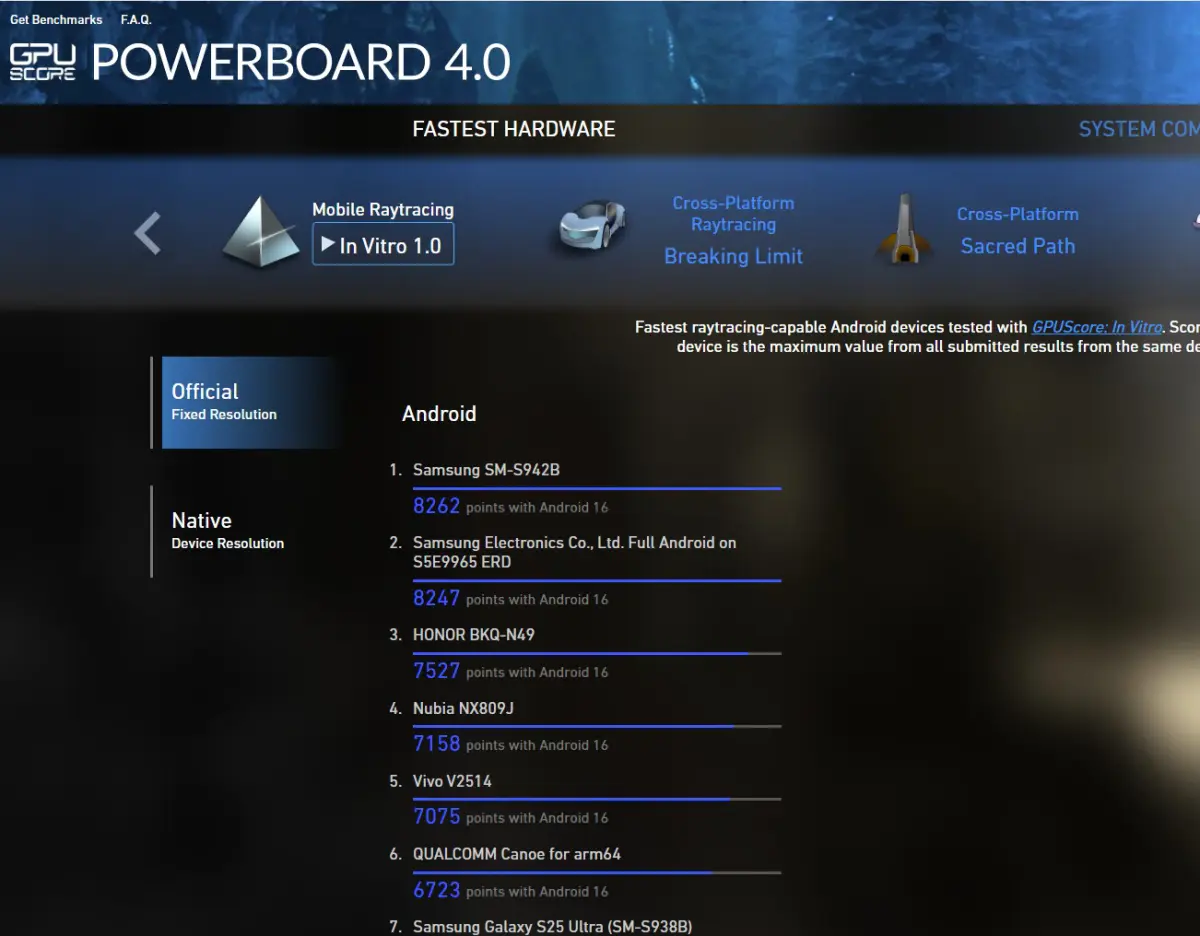
- Exynos 2600 GPU beats Snapdragon 8 Elite Gen 5 in ray tracing tests.
- Built on AMD RDNA4 architecture with Xclipse 960 GPU.
- Uses 2nm GAA process for better efficiency and stability.
- New HPB copper heatsink reduces heat by 30%.
- Benchmark scores show near parity in Vulkan and stable sustained performance.
- Could reverse the long-standing “Exynos disadvantage” in Galaxy S26.
For years, Samsung’s Galaxy S series has faced criticism whenever the Exynos version was compared to the Snapdragon model. Many users believed Snapdragon chips offered better performance, efficiency, and gaming stability. But with the upcoming Galaxy S26 series, this long-standing perception may finally change.
Exynos vs Snapdragon: A History of Disadvantage
Traditionally, Galaxy S phones were released in two versions depending on the region: one with Exynos and one with Snapdragon. The Snapdragon models were often praised for smoother gaming, lower heat, and better efficiency. Meanwhile, Exynos devices were seen as requiring compromises, especially in GPU-heavy tasks like gaming.

Exynos 2600 Changes the Game
Samsung’s new Exynos 2600 chip introduces the Xclipse 960 GPU, built on AMD’s RDNA4 architecture. This GPU is optimized for ray tracing and has already shown impressive results.
In Basemark Ray Tracing tests, the Exynos 2600 actually outperformed Snapdragon 8 Elite Gen 5, taking the top spot in GPU rankings. This is a surprising shift, as Snapdragon has long been considered the leader in mobile graphics.
Advanced Technology for Stability
The Exynos 2600 is built using Samsung’s 2nm GAA process, which improves power efficiency and stability. It also uses Fan-Out Wafer Level Packaging and a new HPB copper heatsink that directly contacts the chip.
This design reduces thermal resistance by 16% and lowers average operating temperatures by 30% compared to older Exynos generations. Heat management has always been a weakness for Exynos, so this improvement could make a big difference in real-world performance.
Benchmark Results
- Vulkan Performance: Exynos 2600 scored 27,478 points, nearly equal to Snapdragon 8 Elite Gen 5’s 27,875 points.
- Geekbench 6 OpenCL: Exynos showed stable GPU performance with only 3.4% variation, proving strong sustained performance.
These results suggest Exynos is not only catching up but may even surpass Snapdragon in certain areas.
What This Means for Galaxy S26
The Galaxy S26 series is expected to use the Exynos 2600 in some regions. If these benchmark results hold true in real-world usage, the Exynos version could finally be seen as equal—or even superior—to Snapdragon models in GPU performance and stability.
This would mark a major turning point for Samsung, reversing years of criticism and giving Exynos-powered Galaxy devices a stronger reputation among gamers and power users.