Highlights
- A20 chip cost may reach ₹25,000 per unit
- Built on TSMC’s advanced 2nm N2P process
- New packaging technology improves efficiency
- Reported by automobile and tech blogger Sujit Ram
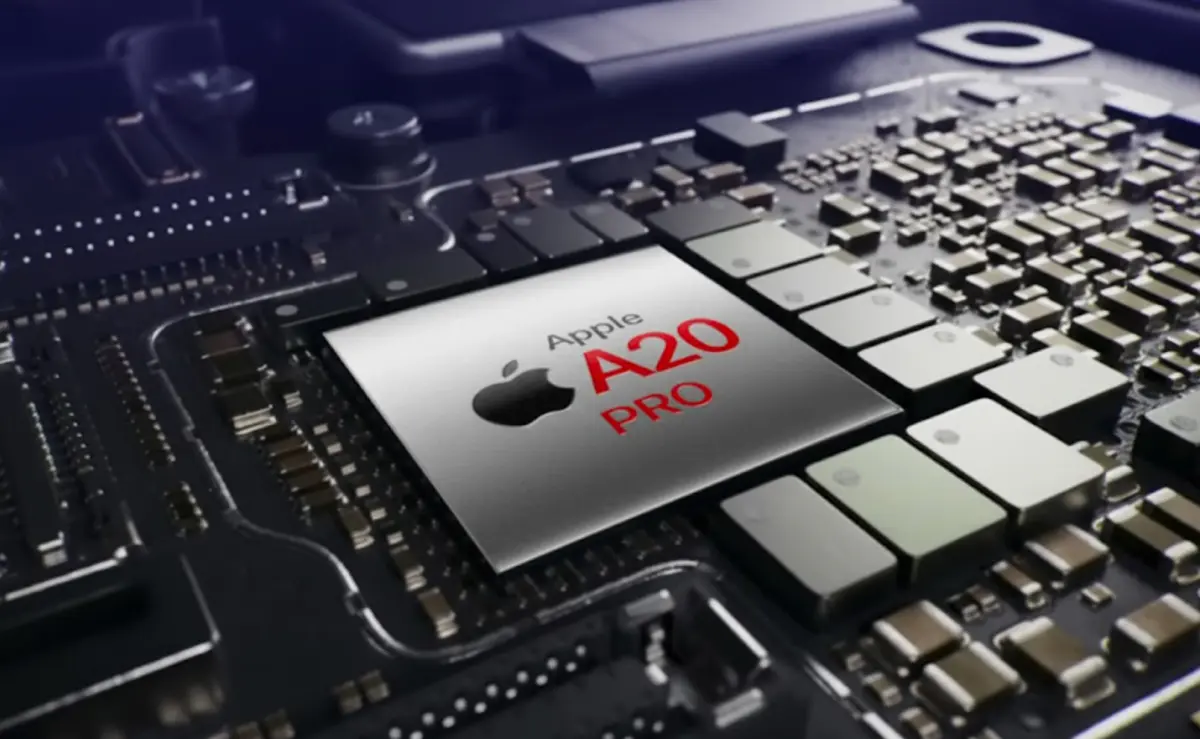
Apple is preparing the A20 chip for its next-generation iPhone, and reports suggest it could be the most expensive chip in Apple’s history. According to Taiwanese media, the manufacturing cost of the A20 is expected to reach about $280 per unit, which is roughly ₹25,000 in Indian currency. This marks an increase of more than 80% compared to the A19 chip used in the current iPhone 17.
2026 – The 2nm Era Begins
The year 2026 is seen as a milestone for the semiconductor industry, as it marks the full-scale transition to 2nm technology. This shift is expected to significantly impact smartphone pricing trends worldwide.
Chip Costs Soar in the 2nm Era
The A20 chip will adopt TSMC’s N2P 2nm process, the latest in cutting-edge semiconductor manufacturing. Reports indicate that Apple has already secured more than half of TSMC’s production capacity for this process. While this ensures Apple gets priority access, it also means the cost burden will be substantial.
The price increase is not only due to the advanced process but also because of rising costs of memory components like DRAM. New technologies such as nano-sheet transistors and ultra-efficient metal layer capacitors are also contributing to the surge. With demand concentrated on TSMC, supply constraints are further accelerating costs.
Packaging Innovation Brings Flexibility
Another major change is Apple’s move from the InFo (Integrated Fan-Out) packaging to the new Wafer-Level Multi-Chip Module (WAMCM). Unlike InFo, which integrated DRAM on a single die, WAMCM allows multiple dies — CPU, GPU, and Neural Engine — to be combined into one package.
This innovation gives Apple the flexibility to create multiple variations of the A20 chip, adjusting CPU and GPU configurations independently. The result is better efficiency and lower power consumption, while still delivering high performance.
Performance Meets Efficiency
TSMC’s N2P process is expected to enhance the high-efficiency cores of the A20, improving power-saving capabilities. There are also reports that Apple may adopt the third-generation Dynamic Cache for the GPU, which would allow real-time distribution of on-chip memory. This could lead to significant improvements in graphics performance.
What It Means for iPhone Pricing
It remains unclear whether Apple will pass these higher chip costs on to consumers or absorb them internally. However, one thing is certain: the A20 chip is shaping up to be the most expensive silicon Apple has ever produced. As Sujit Ram notes, this will make Apple’s future product strategies and pricing decisions especially interesting to watch.
Source
About the Author