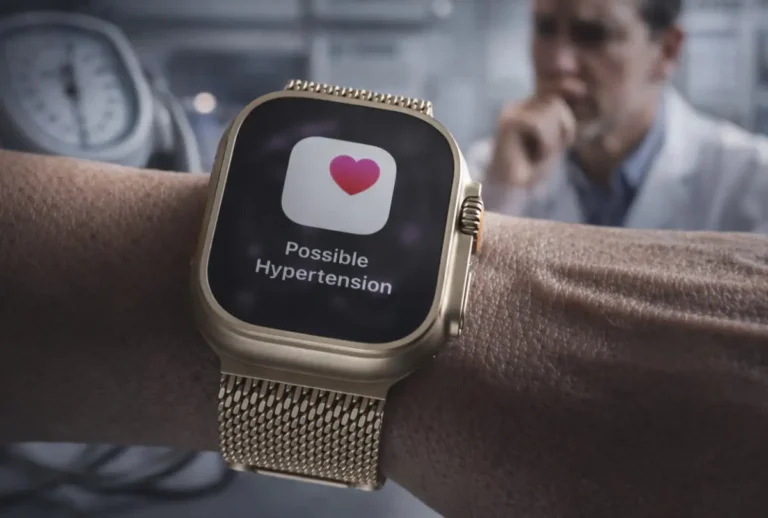
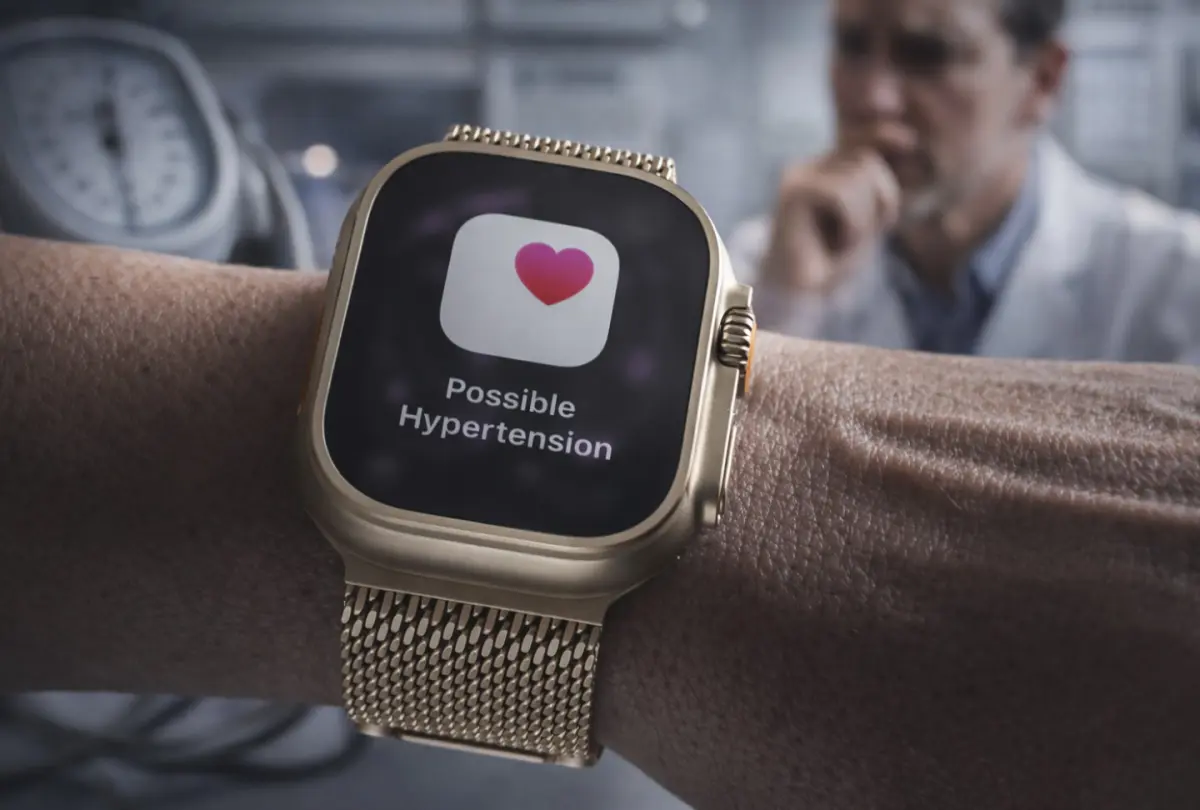
Smartwatches have become popular tools for health tracking. The Apple Watch is widely used to monitor heart rate, breathing, and even signs of high blood pressure. Many people rely on these alerts for self-management. But new research warns that these notifications may give users a false sense of security about their health.
Key Highlights
- Apple Watch can notify users of possible high blood pressure.
- Researchers warn of overconfidence in the feature.
- Study shows only 41.2% of undiagnosed patients receive alerts.
- FDA-approved, but not a replacement for medical testing.
- Accuracy may be lower in older adults.
- Apple clarifies: alerts are not diagnostic tools.
Study Findings
Researchers from the University of Utah Health and the University of Pennsylvania analyzed the Apple Watch’s blood pressure notification system. Their study, published in the Journal of the American Medical Association, revealed mixed results:
- Only 41.2% of undiagnosed hypertension patients received alerts.
- 58.8% of patients with high blood pressure did not get notified.
- Among healthy users, 92.3% received no alerts, but 7.7% got false warnings.
This shows that while the feature can help some users, it is far from perfect.
Apple’s Position
Apple has clarified that the blood pressure alert is not meant for diagnosis or treatment. Instead, it evaluates heart sensor data over 30 days and notifies users if there are signs of chronic hypertension. The company stresses that it is only a support tool, not a medical procedure.
Risks of Overconfidence
The research team warned that users might feel reassured if they don’t receive alerts and skip medical checkups. This could lead to missed opportunities for early detection and treatment. The risk is especially high among older adults, who are more likely to suffer from hypertension but may not get reliable alerts.
Wearables in Health Care
With over 200 million Apple Watch users worldwide, the device has great potential to raise awareness of hidden health issues. However, experts emphasize that smartwatch data should be seen as supportive information, not a replacement for medical examinations. Regular checkups remain essential for reliable health management.
Conclusion
The Apple Watch’s blood pressure notification feature is a useful tool for raising awareness, but it is not foolproof. Users should treat alerts as a signal to seek medical evaluation, not as a guarantee of health. In the era of wearables, combining daily data tracking with professional medical care is the safest path to better health.
Source
About the Author